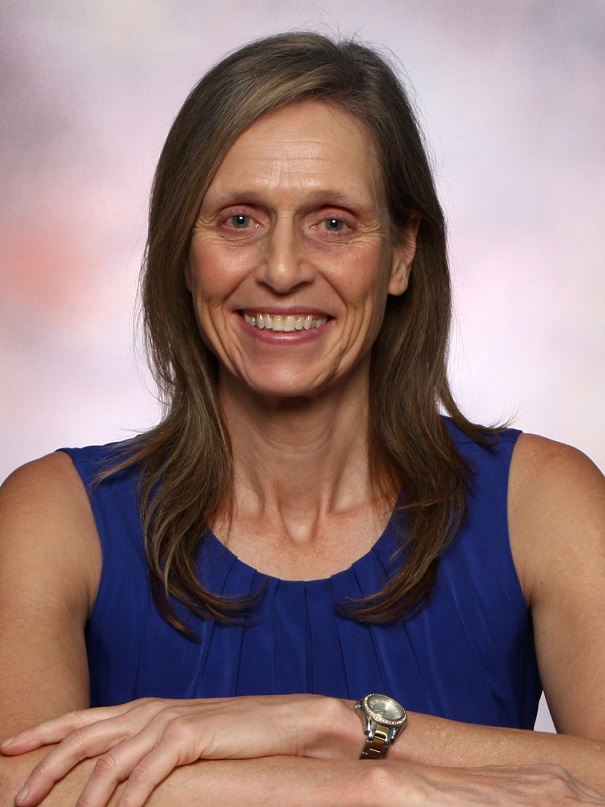
My work focuses on helping people with heart disease, stroke, diabetes, and related conditions live longer, healthier, and more independent lives. I do this by studying how exercise and healthy living improve fitness, brain and heart health, and day to day function, especially for those who face extra barriers to care (e.g., women, older adults, people with mobility challenges, and racialized communities). I also work to ensure that health programs are equitable, accessible, and evidence-based.
1) Finding the "right dose" of exercise: We know exercise saves lives, but we still need to fine tune how much, how hard, and when to start after a health event. My team leads randomized trials and syntheses to define safe, effective exercise prescriptions for people with cardiovascular disease, risk factors for cardiovascular disease and stroke. Some examples:
- We have shown that combining aerobic and resistance training safely improves fitness, strength, and lean mass more than aerobic exercise alone.
- We identified when to start training after stroke to maximize walking ability while minimizing risks early in recovery.
- We're also testing lower load resistance options for people who cannot lift heavy weights, so more patients can participate confidently and safely.
Impact: Our findings have shaped clinical programs and guidelines, helping clinicians prescribe exercise that is both personalized and safe.
2) Closing sex and gender gaps in care and research: Women often have poorer access, lower participation, and less benefit from rehabilitation. My research documents where these gaps occur and tests practical solutions. Some examples:
- We've shown that more women drop out of programs and may receive sub optimal exercise intensities if testing isn't tailored.
- We helped develop the first women-focused cardiac rehabilitation guidelines, and we are creating tools and recruitment strategies that increase women's participation in studies and programs.
Impact: This work reduces inequities and ensures that care and research reflect the needs of women and other underserved groups.
3) Expanding access to rehabilitation, during and after the pandemic: Many people who would benefit from exercise programs, such as those with stroke, peripheral artery disease, or amputation, are not routinely referred. We led national surveys of Canadian cardiac rehabilitation programs before and after COVID 19:
- Programs rapidly adopted virtual and hybrid models; today many use more flexible, group based options.
- We highlighted ongoing needs, like language supports and in person options for higher risk patients, to keep care both safe and inclusive.
Impact: Our recommendations helped reshape program delivery across Canada to reach more people, more effectively.
4) Safely staying active in a changing climate: Extreme heat and cold make outdoor activity risky, especially for people with heart disease. We are:
- Testing multi sensor wearable technology to warn people when temperature and exertion levels become unsafe.
- Co-designing research with patients and clinicians to set national priorities and create guidance for safe activity during heat waves and cold snaps.
Impact: This work will inform practical safety tools and future guidelines so people can stay active without added risk.
Across these projects, my goal is to deliver safe, personalized, and equitable exercise prescriptions that protect the heart and brain, improve mobility and quality of life, and make rehabilitation accessible to everyone who needs it. This program of research has influenced clinical practice, training standards, and health policies, and it continues to build the evidence needed to keep people healthier for longer, even as our climate changes and health systems evolve.
Dr. Marzolini is an Exercise Physiologist and Registered Kinesiologist. Her professional objective is to advocate for increasing the opportunity for people to access structured physical activity and risk factor modification programs following stroke. She initiated and developed the resistance training program for cardiac patients at Toronto Rehab in 1992 and went on to start the Risk Factor Modification Program for People following Stroke (known as TRI-REPS) in 2004 as a substream of the cardiac program. Her research interests are to examine the dose-response relationship between exercise and health related outcomes in people with stroke and cardiac disease. Using novel exercise training methods, her aim is to determine an exercise treatment aimed at promoting long-term health, repairing the brain and restoring lost mobility after stroke. In 2018, Dr. Marzolini was selected by the World Heart Federation as an Emerging Leader in Stroke Prevention, Rehabilitation, and Treatment.
- Associate Professor, Rehabilitation Sciences Institute, University of Toronto
- Assistant Professor, Faculty of Kinesiology & Physical Education, University of Toronto