Endothelial cells are dynamic integrators of their microenvironment, translating physiological and pathological cues into coordinated biological responses. As key regulators of vascular function, they play central roles in both health and disease.
The Fish Lab investigates the molecular mechanisms that govern endothelial cell biology across a spectrum of vascular and cardiometabolic diseases. We discovered that somatic KRAS mutations within the endothelium are the primary cause of sporadic brain arteriovenous malformations (bAVMs). Building on this finding, we developed preclinical models of bAVM and leverage human patient-derived samples, including organoid systems and high-throughput screening platforms, to identify and test novel therapeutic strategies.
Our research also examines how systemic inflammation and endothelial activation may create a susceptibility to cardiac damage during chemotherapy. We study how tumours influence the cardiac vasculature, how endothelial cells respond to chemotherapeutic agents, and how they communicate with cardiomyocytes through extracellular vesicles. In other projects in the lab, we investigate how diabetes alters cardiac microvascular function and how heart failure affects the brain, with the goal of defining vascular mechanisms that link multi-organ disease.
We employ a multidisciplinary and translational approach that integrates zebrafish and mouse models of cardiovascular disease, cultured human endothelial cells, organoid systems, and analysis of human clinical specimens. The Fish lab is a vibrant training environment where intellectual curiosity, scientific rigour, and team science are valued. Close collaboration with clinician scientists enables us to move discoveries from bench to bedside.
Our experimental toolkit includes functional interrogation of signaling and gene regulatory pathways, genome-wide approaches to define transcriptional networks, CRISPR-based genome engineering, high-throughput screening, and mechanistic studies of extracellular vesicle-mediated communication.
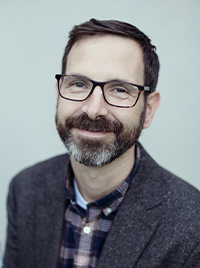
Dr. Jason Fish completed his PhD at the University of Toronto in the laboratory of Dr. Philip Marsden in 2006. Here he uncovered a role for epigenetics in gene regulation in blood vessels. This was followed by postdoctoral training in the laboratory of Dr. Deepak Srivastava at the Gladstone Institute of Cardiovascular Disease and the University of California, San Francisco. There, Dr. Fish uncovered a role for microRNAs in regulating the development of the cardiovascular system. Dr. Fish returned to Toronto in 2010. He is currently a Senior Scientist at the Peter Munk Cardiac Centre, UHN Research Institutes and Professor in the Department of Laboratory Medicine & Pathobiology at University of Toronto. Dr. Fish previously held a Tier 2 Canada Research Chair in Vascular Cell and Molecular Biology, and he is the past-president of the North American Vascular Biology Organization.
For a list of Dr. Fish's publications, please visit PubMed, Scopus or ORCID.
Selected Publications
Wu R, Khosraviani K, Mansur A, Boudreau E, Largoza GE, Park S, Gustafson D, Raju S, Ching C, Klip A, Walchli T, Howe KL, Radovanovic I, Wythe JD, Fish JE. KRAS-dependent glycolytic reprogramming of endothelial cells in sporadic arteriovenous malformations. EMBO Molecular Medicine. 2026 Feb 18. E-Pub ahead of print. 10.1038/s44321-026-00383-y
*Gustafson D, *Mistry P, Ching C, Nardi-Agmon I, Yu C, Fan CP, Houbois C, Amir E, Marwick T, Abdel-Qadir H, McIntosh C, #Thavendiranathan P, #Fish JE. Pre-treatment circulating vascular biomarkers predict cancer therapy-related cardiac dysfunction during HER2+ breast cancer treatment. JACC:CardioOncology. 2025 Dec;7(7):870-885. *Co-first author; #Co-corresponding author. 10.1016/j.jaccao.2025.09.004
Walchli T, Ghobrial M, Schwab M, Takada S, Zhong H, Suntharalingham S, Vetiska S, Gonzalez DR, Rehrauer H, Wu R, Yu K, Bisschop J, Farnhammer F, Regli L, Schaller K, Frei K, Ketela T, Bernstein M, Kongkham P, Carmeliet P, Valiante T, Dirks PB, Suva ML, Zadeh G, Tabar V, Schlapbach R, De Bock K, Fish JE, Monnier PP, Bader GD, Radovanovic I. Molecular atlas of the human brain vasculature across development, adulthood and disease at the single-cell level. Nature. 2024 Aug; 632(8025):603-613. 10.1038/s41586-024-07493-y
*Gustafson D, *DiStefano PV, Wang XF, Wu R, Ghaffari S, Ching C, Rathnakumar K, Alibhai F, Syonov M, Fitzpatrick J, Boudreau E, Lau C, Galant N, Husain M, Li RK, Lee WL, Parekh R, Monnier P, Fish JE. Circulating small extracellular vesicles mediate diabetic vascular hyperpermeability. Diabetologia. 2024 Jun; 67(6):1138-1154. *Co-first authors, equal contribution. 10.1007/s00125-024-06120-9
Soon K, Li M, Wu R, Zhou A, Khosraviani N, Turner WD, Wythe JD, Fish JE, Nunes SS. A human model of arteriovenous malformation (AVM)-on-a-chip reproduces key disease hallmarks and enables drug testing in perfused human vessel networks. Biomaterials. 2022 Sep;288:121729. http://doi.org/10.1016/j.biomaterials.2022.121729
Gustafson D, Ngai M, Wu R, Hou H, Schoffel A, Erice C, Mandla S, Billia F, Wilson MD, Radisic M, Fan E, Trahtemberg U, Baker A, McIntosh C, Fan CPS, dos Santos CC, Kain KC, Hanneman K, Thavendiranathan P, *Fish JE, *Howe KL. Cardiovascular signatures of COVID-19 predict mortality and identify barrier stabilizing therapies. EBioMedicine. 2022 Apr;78:103982. *Co-corresponding authors. http://doi.org/10.1016/j.ebiom.2022.103982
Veitch S, Njock MS, Chandy M, Siraj MA, Chi L, Chen Z, Alibhai FJ, Gustafson D, Raju S, Wu R, Rathnakumar K, Khat DZ, Caballero A, Meagher P, Lau E, Pepic L, Cheng HS, Galant NJ, Howe KL, Li RK, Connelly KA, Delgado-Olguin P, Husain M, Fish JE. MiR-30 promotes fatty acid beta-oxidation and endothelial cell dysfunction and is a circulating biomarker of coronary microvascular dysfunction in pre-clinical models of diabetes. Cardiovascular Diabetology. 2022; 21(1):31. http://doi.org/10.1186/s12933-022-01458-z
*Alizada A, *Khyzha N, Wang L, Antounians L, Chen X, Khor M, Liang M, Rathnakumar K, Weirauch MT, Medina-Rivera A, #Fish JE, #Wilson MD. Conserved regulatory logic at accessible and inaccessible chromatin during the acute inflammatory response in mammals. Nature Communications. 2021 Jan 25; 12(1):567. *Equal contribution, #Co-corresponding author, equal contribution. http://doi.org/10.1038/s41467-020-20765-1
*#Fish JE, #Flores-Suarez CP, #Boudreau E, Herman AM, Gutierrez MC, Gustafson D, DiStefano PV, Cui M, Chen Z, Berman De Ruiz K, Schexnayder TS, Ward CS, Radovanovic I, *Wythe JD. Somatic gain of KRAS function in the endothelium is sufficient to cause vascular malformations that require MEK but not PI3K signaling. Circulation Research. 2020 Aug 28;127(6):727-743. *Corresponding authors, equal contribution. #Co-principal author, *Co-corresponding Author. http://doi.org/10.1161/CIRCRESAHA.119.316500
Khyzha N, Khor M, DiStefano P, Wang L, Matic L, Hedin U, Wilson MD, Maegdefessel L and Fish JE. Regulation of CCL2 expression in human vascular endothelial cells by a neighboring divergently transcribed long noncoding RNA. Proceedings of the National Academy of Sciences. 2019 Aug 13; 116(33):16410-16419. http://doi.org/10.1073/pnas.1904108116
*Nikolaev SI, Vetiska S, Bonilla X, Boudreau E, Jauhiainen S, Jahromi BR, Khyzha N, DiStefano P, Suutarinen MB, Kiehl TM, Pereira VM, Antonarakis SE, Krings T, Andrade-Barazarte H, Tung T, Valiante T, Zadeh G, Tymianski M, Antonarakis SE, Wythe JD, Rauramaa T, Yla-Herttuala S, *Frosen J, *Fish JE, *Radovanovic I, Somatic activating KRAS mutations in arteriovenous malformations of the brain. New England Journal of Medicine. 2018 Jan 18;378(3):250-261. *Corresponding authors, equal contribution. http://doi.org/10.1056/NEJMoa1709449
- Professor, Department of Laboratory Medicine & Pathobiology, University of Toronto
- Member, Heart and Stroke Richard Lewar Centre of Excellence