Adaptive and Continuous Deep Brain Stimulation for Parkinson’s Disease, Tremor, Dystonia, Tic Disorders, and Epilepsy
Study Status: active
Institute: Krembil Research Institute
Study Purpose: Deep brain stimulation is a treatment that can help treat movement symptoms in different neurological disorders. Most deep brain stimulation systems give constant stimulation. This study is testing whether adaptive deep brain stimulation may work as well or better than regular continuous deep brain stimulation. The study will also look at walking, speech, side effects, medication use, quality of life, and deep brain stimulation device battery use.
Background: Some Parkinson’s symptoms, such as walking problems, falls, speech changes, and freezing of gait, may not improve with regular deep brain stimulation and can sometimes get worse. Adaptive deep brain stimulation may help because it gives stimulation only when needed instead of all the time. This may reduce side effects and save battery power.
Study Methods: This is a pilot, double-blind, crossover study. People with Parkinson’s disease, Tremor, Dystonia, Tic Disorders, and Epilepsy who are already receiving deep brain stimulation treatment will try both types of stimulation: adaptive and continuous. Researchers will compare symptoms, daily activities, quality of life, speech, walking, falls, medication use, side effects, brain signals, and deep brain stimulation device battery use.
Health Conditions:
Testing New Deep Brain Stimulation Patterns for Essential Tremor (Chronos)
Study Status: active
Institute: Krembil Research Institute
Study Purpose: Essential tremor can make daily tasks, such as eating, drinking, writing, and speaking, very difficult. Deep brain stimulation can help reduce tremor, but some people lose benefit over time or cannot use stronger settings because of side effects. This study is testing whether new DBS programming patterns may better control tremor while keeping stimulation safe.
Background: Deep brain stimulation is used for people with essential tremor when medications do not work well enough. However, tremor control may decrease over time, and stimulation on both sides of the brain can sometimes affect speech, balance, or walking. New deep brain stimulation technology may allow doctors to shape stimulation more carefully and test new patterns that could improve tremor control with fewer side effects.
Study Methods: This study has two phases. Phase one includes people who already have deep brain stimulation for tremor but are losing benefit. Researchers will test different deep brain stimulation settings and patterned stimulation using the Chronos Research Engine, which is a neurostimulation software platform. Phase two follows people receiving bilateral deep brain stimulation for essential tremor to study safety and tremor control over time
Health Conditions:
Neurology & Neurosurgery (Parkinson's, epilepsy, Alzheimer's, etc.)
Brain-Machine Interface for Freezing of Gait in Parkinson’s Disease
Study Status: active
Institute: Krembil Research Institute
Study Purpose: Freezing of gait is a sudden inability to move the feet while walking. It can increase the risk of falls and reduce independence. Current treatments do not work well for everyone. This study aims to develop a brain–machine interface that can detect when a freezing episode is about to happen and deliver targeted brain stimulation to help prevent or stop it.
Background: Many people with Parkinson's disease experience freezing of gait, even with medication or deep brain stimulation. Researchers believe that changes in brain activity happen just before a freezing episode begins. By identifying these brain signals, it may be possible to create a smarter treatment that responds only when it is needed, rather than providing continuous stimulation.
Study Methods: Ten people with Parkinson's disease who experience freezing of gait and are already scheduled to receive deep brain stimulation surgery will participate. During the time between the two stages of their planned deep brain stimulation procedure, temporary recording electrodes will measure brain activity while participants stand, walk, and experience freezing episodes. Researchers will use machine learning to identify brain signals linked to freezing of gait and will test whether targeted cortical stimulation can interrupt or prevent these episodes.
Health Conditions:
Studying Walking in Movement Disorders
Study Status: active
Institute: Krembil Research Institute
Study Purpose: Walking problems are common in many movement disorders. Walking problems can make everyday activities difficult and increase the risk of falls. This study aims to better understand how people with different movement disorders adjust their walking when they are faced with new walking challenges. By learning how the brain adapts movement, researchers hope to improve future rehabilitation programs and treatments that help people walk more safely and confidently.
Background: Walking requires the brain and body to constantly adapt to changes in the environment. Many conditions that impact the brain reduce this ability, leading to balance problems, slower walking, and falls. Although walking difficulties are common, researchers still do not fully understand how different movement disorders affect the brain's ability to adapt. This study will help identify similarities and differences between conditions, which may guide future rehabilitation strategies.
Study Methods: Adults with different movement disorders and healthy volunteers will participate in walking assessments using a split-belt treadmill, where each side of the treadmill can move at a different speed. Researchers will measure how participants adapt their walking patterns during the task and how quickly they return to normal walking afterward. The results will be compared across different movement disorders to better understand walking adaptation.
Health Conditions:
Neurology & Neurosurgery (Parkinson's, epilepsy, Alzheimer's, etc.)
Police Encounters and Movement Disorders
Study Status: active
Institute: Krembil Research Institute
Study Purpose: People with movement disorders can have symptoms such as shaking, slow movement, balance problems, or difficulty walking. These symptoms may sometimes be mistaken for intoxication or suspicious behaviour. This study aims to learn how often people with movement disorders experience discrimination or negative interactions with police or law enforcement. The findings may help improve awareness, education, and future interactions between law enforcement and people living with neurological conditions.
Background: Movement disorders affect how people move, walk, and maintain their balance. Some people with these conditions report being misunderstood by police or other law enforcement officers because of their symptoms. Although advocacy groups have raised concerns, there has been very little research on this issue. This study will provide important information about these experiences and help identify ways to reduce discrimination.
Study Methods: Adults with a diagnosed movement disorder and adults without a movement disorder (such as spouses or caregivers) will be invited to complete an anonymous online survey. Participants will answer questions about themselves and any experiences they have had with police or law enforcement. Researchers will compare responses from both groups to better understand how often discrimination occurs and what factors may be associated with these experiences.
Health Conditions:
Neurology & Neurosurgery (Parkinson's, epilepsy, Alzheimer's, etc.)
External Links:
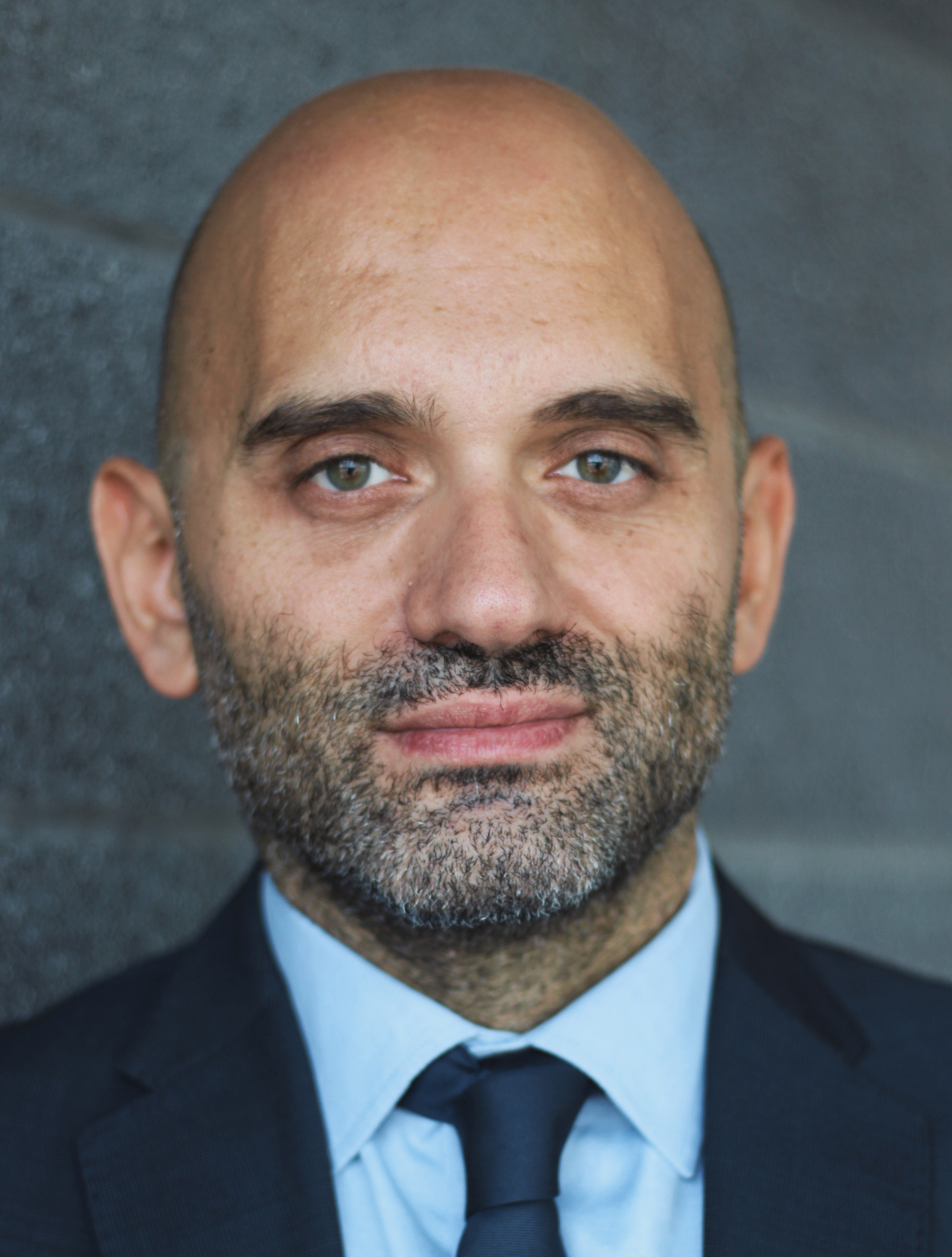
Dr. Alfonso Fasano holds the Chair in Neuromodulation and Multi-Disciplinary Care at the University of Toronto and University Health Network. He is a Professor in the Department of Medicine (Division of Neurology) at the University of Toronto. He is staff neurologist and co-director of the Surgical Program for Movement Disorders at Toronto Western Hospital, University Health Network. He is also staff neurologist at the Hospital of Sick Children in Toronto. Dr. Fasano is a Clinician Investigator at the Krembil Research Institute and Affiliate Scientist at KITE Research Institute – Toronto Rehabilitation Institute. Dr. Fasano leads the Core E (closed-loop capabilities) of the CenteR for Advancing Neurotechnological Innovation to Application (CRANIA) and serves on the scientific advisory board of the Dystonia Medical Research Foundation and International Essential Tremor Foundation. He is the chair of the Normal Pressure Hydrocephalus study group of and member of the study group on tremor of the International Parkinson Movement Disorders Society; he is also a member of the Tremor Research Group and the Parkinson Study Group.
Dr. Fasano received his medical degree from the Catholic University of Rome, Italy, in 2002 and became a neurologist in 2007. After a two-year fellowship at the University of Kiel, Germany, he completed a PhD in neuroscience at the Catholic University of Rome. His main areas of interest are the treatment of movement disorders with advanced technology (infusion pumps and neuromodulation), pathophysiology, and treatment of tremor and gait disorders. He has authored more than 300 scientific papers and book chapters. Dr. Fasano is the co-editor of the section “Gaps and Controversies” of Movement Disorders Journal and an editorial board member of Annals of Neurology, Movement Disorders Journal, Movement Disorders Clinical Practice and Parkinsonism and Related Disorders. He is also the principal investigator of several clinical trials.
- Staff neurologist, Hospital for Sick Children (SickKids)