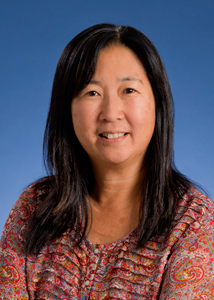
Understanding how the immune system recognizes and responds to disease is essential for developing new treatments for cancer and other conditions. The immune system consists of many cell types that protect the body from infection and abnormal cells. A key focus of Dr. Ohashi's research is T cells, a type of white blood cell that plays a central role in immune defense. T cells can recognize and destroy cancer cells, but their activity is tightly controlled by signals within the body. When these regulatory mechanisms fail, T cells may also attack healthy tissues, contributing to autoimmune diseases.
Dr. Ohashi's research group studies how immune responses are regulated within the tumour microenvironment, the complex surroundings of cancer cells. We investigate how immune cell populations and molecular pathways influence T cell function and how tumours evade immune attack, with the goal of identifying new targets and strategies for cancer immunotherapy.
Dr. Ohashi established the Tumour Immunotherapy Program at the Princess Margaret Cancer Centre, which integrates the analysis of immune responses in patient samples, cell therapy development, and clinical research to advance new treatments. Building on this foundation, she now leads the UHN Collaborative Centre for Immunology to Immunotherapy (Ci2i), which accelerates the development of innovative immune therapies for cancer and other diseases, including autoimmunity, transplantation, and infectious disease.
- Canada Research Chair in Autoimmunity and Tumour Immunity
- Director, Tumour Immunotherapy Program
- Professor, Department of Immunology, University of Toronto