

Research at University Health Network
 
Technology Transfer
Menu Level 3  
   
 
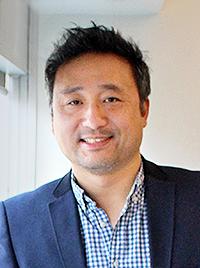
Tony K.T. Lam, PhD

Senior Scientist
Division of Advanced Diagnostics - Metabolism
Toronto General Research Institute (TGRI)

Research Interests

As the John Kitson McIvor (1915-1942) Endowed Chair in Diabetes Research and the Canada Research Chair in Obesity, I am interested in glucose and energy homeostasis and their roles in diabetes and obesity. The disruption of this homeostasis is partly caused by an elevation of hepatic glucose production and food intake, respectively. The long-term goal of my laboratory is to unveil novel molecules/pathways in the body that regulate both hepatic glucose production and food intake in vivo, and consequently reveal new therapeutic molecules that could be targeted to restore glucose and energy homeostasis in diabetes and obesity.

Brain nutrient-sensing mechanisms

The central nervous system -- or more specifically, the hypothalamus -- has received much attention in recent diabetes and obesity research. This is based on the fact that the hypothalamus can detect an acute rise in nutrients or fat-/gut-derived hormones to regulate food intake/body weight and hepatic glucose production/plasma glucose levels. Importantly, some of these CNS sensing mechanisms are disrupted in obesity and diabetes, leading to an elevation of blood glucose levels and body weight. One of the research programs in my laboratory is to elucidate novel nutrient-sensing mechanisms in the brain that regulate glucose and energy homeostasis.

Gut nutrient-sensing mechanisms

It has been demonstrated that the central nervous system (via a gut-brain axis) plays an important role in lipid-sensing mechanisms to regulate food intake. In my laboratory, we have demonstrated that lipid-sensing mechanisms can be triggered in the gut to remotely control the regulation of hepatic glucose production through the brain. Our second research program is to elucidate novel nutrient-sensing mechanisms in the gut that can trigger the nervous system to regulate glucose and energy homeostasis.

Additional Appointments

  • Associate Director, Research, Banting and Best Diabetes Centre, University of Toronto

  • John Kitson McIvor (1915-1942) Chair in Diabetes Research

  • Canada Research Chair in Obesity

  • Associate Professor of Physiology and Medicine, University of Toronto

  • Division of Endocrinology, University Health Network & Mount Sinai Hospital


Selected Publications

  • Mighiu PI, Yue JT et al. Hypothalamic glucagon signaling inhibits hepatic glucose production. Nature Medicine [May 19, 2013]

  • Filippi B et al. Insulin activates Erk1/2 signaling in the dorsal vagal complex to inhibit glucose production. Cell Metabolism 16(4):500-510, 2012

  • Breen D et al. Jejunal nutrient sensing is required for duodenal-jejunal bypass surgery to rapidly lower glucose concentrations in uncontrolled diabetes. Nature Med 18(6):950-955, 2012. (Live-interview at Nature Medicine Podcast: Time 16:06)

  • Yue JT and Lam TKT. Lipid sensing and insulin resistance in the brain. Cell Metabolism 15(5):646-655, 2012

  • Yue JT et al. Glycine normalizes hepatic triglyeride-rich VLDL secretion by triggering the CNS in high-fat fed rats. Circ Res 110:1345-1353, 2012

  • Lam TKT: China needs to boost funding for graduate students to stay competitive. Nat Med 17(6):655, 2011. (Live-interview at Nature Medicine Podcast: Time 17:42, TV interview)

  • Lam TKT. Neuronal regulation of homeostasis by nutrient sensing. Nature Medicine 16:392-395, 2010

  • Cheung G et al. Intestinal cholecystokinin controls glucose production through a neuronal network. Cell Metab 10:99-109, 2009 (cover story, TV interview).

  • Wang P et al. Upper intestinal lipids trigger a gut-brain-liver axis to regulate glucose production. Nature 452:1012-1016, 2008 (Named a 2008 Milestone in Canadian Health Research by Canadian Institutes of Health Research).

  • Caspi L et al. A balance of lipid-sensing mechanisms in the brain and liver. Cell Metabolism 6(2):99-104, 2007

  • Lam TKT et al. Regulation of blood glucose by hypothalamic pyruvate metabolism. Science 309(5736):943, 2005
 
 
  Tony  K.T. Lam
Mailing Address
Primary Office
MaRS Centre
Toronto Medical Discovery Tower
10th Floor Rm 10-705
101 College Street
Toronto, Ontario
Canada M5G 1L7

Primary Office
MaRS Centre
Toronto Medical Discovery Tower
10th Floor Rm 10-601
101 College Street
Toronto, Ontario
Canada M5G 1L7

Primary Office
Toronto General Hospital
Max Bell Research Centre
4th Floor Rm 4MBRC 414-21 & 406-11
200 Elizabeth St.
Toronto, Ontario
Canada M5G 2C4

 
Email

Phone Numbers
416-581-7880(Primary)
416-581-7697(LAB)
416-581-7697(FAX)


Home Researchers Facilities Support Services Programs Commercialization Ethics News About UHN Institutes OCI Techna TGRI TRI TWRI