Research at University Health Network
 
Technology Transfer
Menu Level 3
   
 
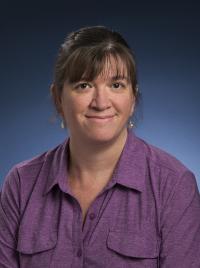
Laurie Ailles, PhD

Scientist
Ontario Cancer Institute (OCI)

Research Interests
Characterization of Cancer Stem Cells in Human Solid Tumors

The cancer stem cell (CSC) model of tumor development and progression states that tumors, like normal adult tissues, contain a subset of cells that both self renew and give rise to differentiated progeny. As in other tissues, the stem cells are a minority of the whole organ, and are the only cells that can maintain tumor growth indefinitely. The remaining cells, though actively proliferating and making up the majority of the cells in the tumor, are also differentiating and destined to die. The self renewal properties of the CSCs are thus the real driving force behind tumor growth.

The identification of markers that allow the prospective isolation of CSCs from whole tumor tissues will allow us to develop an understanding of several important biological properties of CSCs: first, what is the cell of origin for a given tumor? Second, what are the signaling pathways that drive self renewal and/or differentiation of CSCs? Third, are there molecules uniquely expressed on CSCs, regardless of whether they are functional, that will allow targeted therapies to be developed? Fourth, what are the mechanisms by which CSCs escape conventional therapies and can we defeat these mechanisms? Answers to these questions should lead to the development of therapies that target the CSC population and eliminate the ''engine'' that drives tumors to grow, invade, and seed metastatic lesions. My lab will focus primarily on the characterization of CSC from head and neck squamous cell carcinoma (HNSCC).

We have already determined that the CD44-positive fraction of human HNSCC contains the CSC population, as defined by the ability of this subset of cells to initiate tumors in immunocompromised mice, while the CD44-negative fraction does not have this ability. Furthermore, we have demonstrated that the CD44-positive, tumor-initiating subset differentially expresses stem cell-related genes, and in well-differentiated tumors is closely associated with the tumor stroma, suggesting a possible CSC ''niche'' in these tumors.

We will focus our efforts on several aspects of HNSCC CSC that arise as a result of these preliminary studies:

  1. Identification of additional markers to further purify the HNSCC CSC

  2. Global analysis of gene expression in HNSCC CSC vs non-CSC tumor cells to identify signaling pathways that mediate their self-renewal and/or differentiation

  3. Investigation of the role of stromal cells in providing a microenvironment or ''niche'' that supports CSC self-renewal; characterization of the molecular interactions between the stromal cells and the CSC

  4. Investigation of the response of the CSC subset to chemotherapy and radiation therapy (i.e. are the CSC specifically resistant to these therapies and if so, what are the mechanisms?)

Such studies will hopefully lead to the identification of strategies that will allow us to develop therapies based on targeting of the CSC themselves, or alternative strategies such as identification of methods to force CSC to differentiate, or methods to target the CSC microenvironment, thus eliminating the CSC indirectly.


Mailing Address
Primary Lab
MaRS Centre
Toronto Medical Discovery Tower
8th floor 8-401
101 College Street
Toronto, Ontario
Canada M5G 1L7

Primary Mailing
MaRS Centre
Toronto Medical Discovery Tower
8th floor 8-363
101 College Street
Toronto, Ontario
Canada M5G 1L7

Primary Office
MaRS Centre
Toronto Medical Discovery Tower
8th floor 8-363
101 College Street
Toronto, Ontario
Canada M5G 1L7

Primary Lab
MaRS Centre
Toronto Medical Discovery Tower
8th floor 8-401
101 College Street
Toronto, Ontario
Canada M5G 1L7

 
Email

Phone Numbers
416-581-7868(Primary)
416-581-7869(LAB)
416-581-7868(FAX)


Home Institutes Researchers Facilities Support Services Programs Commercialization Ethics News About UHN Ontario Cancer Institute Toronto General Research Institute Toronto Western Research Institute